Book a Home Collection Now!
Bilirubin Test Normal Range Explained: What Your Numbers Really Mean
May 19, 2025 - By Lupin Diagnostics
What do they actually mean? Bilirubin is a yellow pigment your body creates when old red blood cells break down. Understanding your bilirubin test normal range helps you make sense of your liver health. This article breaks down each number, explains what raises bilirubin, and helps you read your report with confidence.
What Is a Bilirubin Test and Why Is It Done?
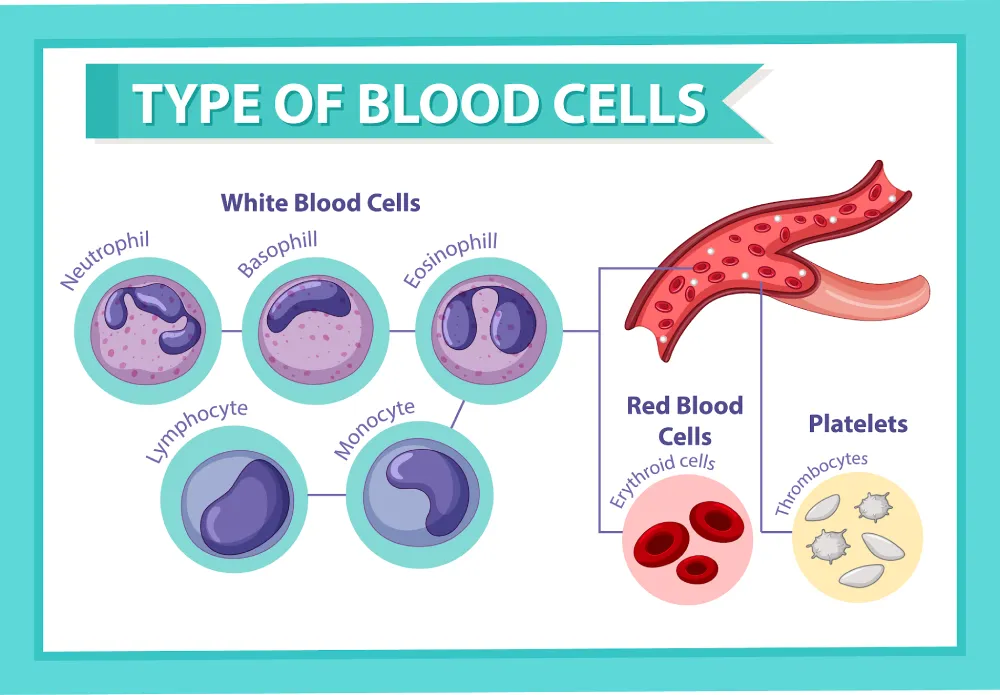
Your body constantly recycles old red blood cells. When these cells break down, haemoglobin releases a yellow pigment called bilirubin. About 80% of bilirubin comes from this process alone.
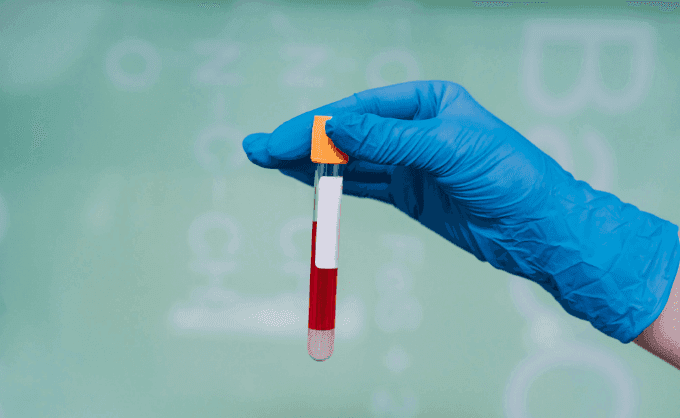
The liver filters bilirubin from your blood, processes it, and sends it into bile. A bilirubin test measures how well this cycle works. Doctors include it in liver function test panels to spot problems early. High or low readings can hint at liver stress, bile duct blockages, or blood disorders.
Understanding the Bilirubin Test Normal Range
Reference values can differ slightly between labs. Always compare your numbers with the range printed on your own report. The table below shows commonly accepted adult ranges.
| Type | Normal Range |
|---|---|
| Total bilirubin | 0.3 to 1.0 mg/dL |
| Direct bilirubin (conjugated) | 0.1 to 0.3 mg/dL |
| Indirect bilirubin (unconjugated) | 0.2 to 0.8 mg/dL |
Jaundice, the visible yellowing of skin and eyes, typically appears once levels cross 3 mg/dL. If your report shows numbers within range, your liver is likely processing bilirubin efficiently.
Your doctor is the best person to interpret results based on your full health picture.
How Do Direct and Indirect Bilirubin Differ?
Think of bilirubin's journey in two stages. First, old red blood cells release unconjugated (indirect) bilirubin into the bloodstream. This form dissolves in fat rather than water, so your kidneys cannot flush it out.
Once indirect bilirubin reaches the liver, enzymes attach a sugar molecule to it. This step, called conjugation, converts it into direct bilirubin. Direct bilirubin is water-soluble, excreted in bile, and eventually leaves the body in stool. When direct bilirubin leaks back into the blood, it can appear in urine.
When the direct bilirubin level exceeds the normal range, it may indicate a blockage in the bile ducts. Elevated indirect bilirubin levels often suggest that the liver is struggling to process bilirubin or that red blood cells are breaking down too quickly.
A healthcare professional can determine the exact cause through further evaluation.
What Are the Causes of High Bilirubin in Adults?
Several conditions can push bilirubin above the normal range. Here are the most common causes of high bilirubin in adults:
- Hepatitis: Inflammation of the liver from viral infections or toxins.
- Cirrhosis: Long-term liver scarring that reduces the organ's filtering ability.
- Gallstones: These block the bile ducts, trapping bilirubin inside the liver.
- Gilbert's syndrome: A genetic condition that reduces the liver's conjugation capacity by about 70%.
If your report shows elevated levels, please consult a physician for proper evaluation.
Symptoms of Elevated Bilirubin (Hyperbilirubinaemia)
Hyperbilirubinaemia, or high bilirubin, can show up through noticeable signs:
- Jaundice (yellowing of the skin and whites of the eyes)
- Dark urine, sometimes described as cola-coloured
- Persistent itching (pruritus)
- Fatigue and general weakness
- Nausea or abdominal discomfort
- Pale or clay-coloured stools
Bilirubin Levels in Newborns
Neonatal jaundice is surprisingly common. Over 60% of full-term babies and around 80% of preterm babies develop elevated bilirubin in their first few days. A newborn's liver is still maturing, so it processes bilirubin more slowly.
Phototherapy, where the baby rests under special blue lights, is the standard treatment. The light helps convert bilirubin into a form the body can excrete easily.
Parents who notice yellowing of the skin or eyes in a newborn should seek medical attention promptly.
How Should You Prepare for a Bilirubin Blood Test?
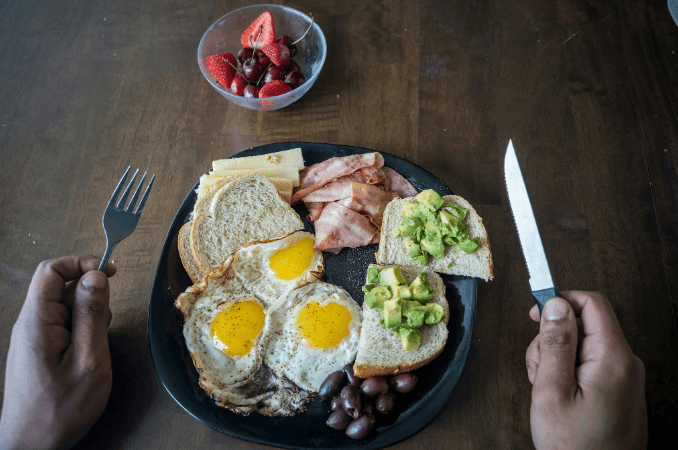
Preparation is straightforward. Your doctor may ask you to fast for 4–8 hours before the test. Prolonged fasting can actually raise bilirubin levels, so follow the exact duration your doctor or lab recommends.
Inform your doctor about any medicines, supplements, or herbal remedies you take. Some medications affect liver enzyme activity and can affect test results.
Conclusion: Interpreting Your Results
A single bilirubin test tells only part of the story. Elevated levels signal that your body is either producing too much bilirubin or struggling to clear it. Your doctor will consider your symptoms, medical history, and other test results before drawing conclusions. The bilirubin test normal range is a useful benchmark, but context matters far more than any isolated number.
If you would like to get your bilirubin or liver function levels checked, Lupin Diagnostics offers comprehensive blood tests at NABL-accredited labs with home collection services across India.
Frequently Asked Questions
1. What level of bilirubin is dangerously high?
Jaundice typically becomes visible above 3 mg/dL. Levels significantly beyond this need prompt medical evaluation to identify the underlying cause. Your doctor will decide the urgency based on other test results.
2. Can stress cause a spike in bilirubin?
In people with Gilbert's Syndrome, episodes of jaundice can be triggered by fasting, overexertion, or infection. Stress alone may not raise bilirubin in healthy individuals.
3. Do I need to fast for a bilirubin test?
Your doctor may recommend fasting for 4 to 8 hours. Prolonged fasting beyond this can artificially elevate bilirubin levels, so stick to the time frame your doctor or lab advises.
4. What is the difference between direct and indirect bilirubin?
Indirect bilirubin is fat-soluble and has not yet been processed by the liver. Direct bilirubin is water-soluble after liver conjugation and can be excreted through urine and bile.
5. Can alcohol affect bilirubin results?
Yes. Regular or heavy alcohol use can cause liver inflammation and cirrhosis, both of which raise bilirubin levels. It is wise to avoid alcohol before your test and mention your intake to your doctor.
This article is for informational and educational purposes only. It does not substitute professional medical advice, diagnosis, or treatment. Please consult a qualified healthcare provider for any concerns about your health or test results.
Featured Articles
Understanding Early Signs Of Diabetes Mellitus Why Fasting Blood Glucose And Hba1C Tests Matter
Posted on: 22nd Jan 2026
Why Doctors Recommend the CRP Test- How It Helps Measure Inflammation in the Body
Posted on: 15th Jan 2026
Consequences Of Sedentary Lifestyle On Human Body
Posted on: 16th Jan 2023