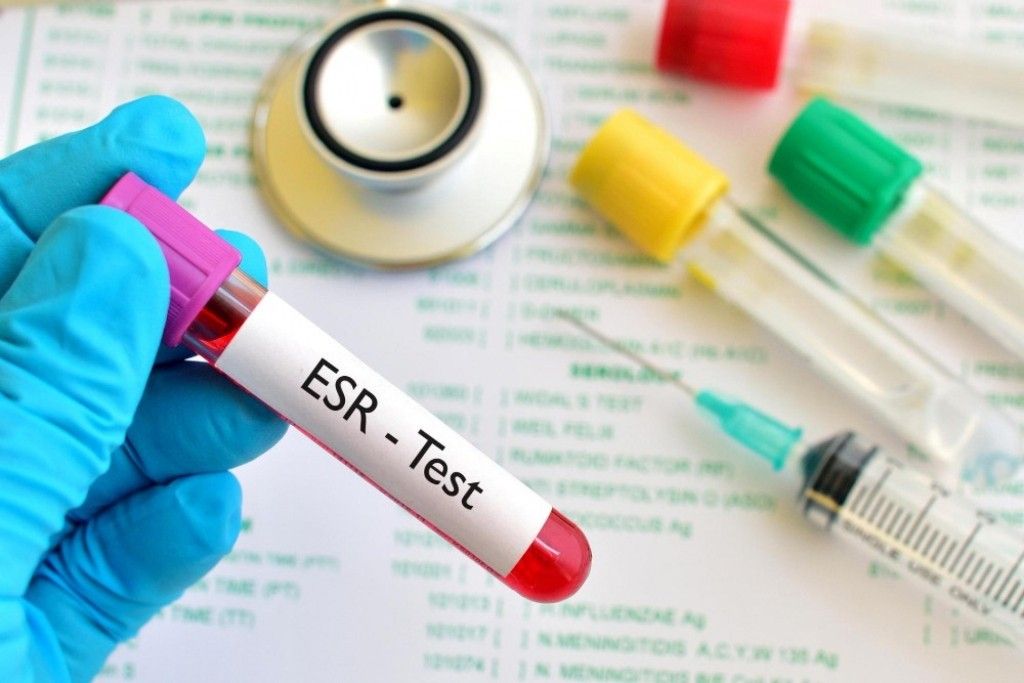
Weil Felix Test (Widal WF): Booking, Price, and Results
About Weil Felix Test (Widal WF): Booking, Price, and Results
| Field | Value |
|---|---|
| Also Known As | Weil-Felix reaction, Weil-Felix agglutination test, WFT, Rickettsial agglutination test |
| Sample Type | Venous blood (serum) |
| Fasting Required | No fasting required |
| Report Time | 24 to 48 hours |
| Recommended For | All genders, all ages (particularly those with suspected rickettsial infections) |
| Price | Starting at ₹300 |
What Is a Weil-Felix Test (Widal WF)?
The Weil-Felix test is a blood test used to detect rickettsial infections, illnesses caused by Rickettsia bacteria. These bacteria are typically spread through bites from infected ticks, mites, fleas, or lice. The test is also referred to as the Widal WF test, the Weil-Felix reaction, or the rickettsial agglutination test. A blood sample drawn from a vein is used for this test.
What Does a Weil-Felix Test (Widal WF) Measure?
The Weil-Felix test works by detecting antibodies that your body produces in response to a rickettsial infection. It uses cross-reactivity with antigens from Proteus bacteria to detect these antibodies. The test checks three specific antigens, each linked to a different group of rickettsial diseases.
The following antigens are checked during the test:
| Antigen | Proteus Strain | Associated Infection Group |
|---|---|---|
| OX19 | Proteus vulgaris OX19 | Typhus group (epidemic and endemic typhus) |
| OX2 | Proteus vulgaris OX2 | Spotted fever group |
| OXK | Proteus mirabilis OXK | Scrub typhus group |
Antibodies typically become detectable in the blood 5 to 10 days after symptoms begin.
Why Is a Weil-Felix Test (Widal WF) Done?
A doctor may order this test when a patient presents with signs that suggest a rickettsial infection, particularly after possible exposure to ticks, mites, fleas, or lice.
Common Symptoms That May Require This Test
The following symptoms commonly prompt a doctor to order a Weil-Felix test:
- Persistent fever
- Headache
- Skin rash
- General feeling of being unwell (malaise)
- Nausea or vomiting
- Muscle pain (myalgia)
- Chills and sweating
Conditions This Test Can Help Detect
The Widal WF test can help identify the following rickettsial infections:
- Scrub typhus, caused by Orientia tsutsugamushi
- Epidemic typhus (louse-borne typhus)
- Endemic or murine typhus (flea-borne typhus)
- Spotted fever, including Indian tick typhus, caused by Rickettsia conorii
- Rocky Mountain spotted fever
How to Prepare and What to Expect
No special preparation is required before a Weil-Felix test. The process is straightforward and similar to any routine blood test.
Do You Need to Fast?
No, fasting is not required. You can eat and drink as normal before the test. No other dietary restrictions apply.
Practical Tips Before Your Test
Here are a few simple steps to take before your appointment:
- Share your full medical history and current medications or supplements with your doctor
- Inform your doctor of any recent exposure to ticks, mites, fleas, or lice
- Let your doctor know if you have any other current infections, such as a urinary tract infection
- If possible, wait until at least 5 to 7 days after your symptoms began, as antibodies may not be detectable earlier
Step-by-Step Procedure
The sample collection for a Weil-Felix test follows these steps:
- A trained technician will tie a band around your upper arm to make your veins easier to see and access.
- They will ask you to make a fist, which helps the vein stand out further.
- The skin over the vein will be cleaned with an antiseptic wipe before the needle is inserted.
- A small amount of blood will be drawn from the vein and collected in a labelled container.
- The band is removed, and a cotton swab is placed over the site. The discomfort is brief.
- The blood sample is sent to the laboratory, where it is tested against the OX19, OX2, and OXK antigens for signs of clumping (agglutination).
Factors That Can Affect Accuracy
Several factors can influence your test results:
- Testing too early in the illness, before antibody levels are high enough to detect
- Past rickettsial infections, which can cause misleadingly elevated readings
- Other infections, such as Proteus urinary tract infections, leptospirosis, or brucellosis, may produce false-positive results
- Early antibiotic treatment can delay or reduce the immune response
Understanding Your Weil-Felix Test Results
Your results should always be reviewed by a qualified doctor in conjunction with your symptoms and exposure history. The following table provides a general guide to reference ranges.
| Parameter | Normal (Negative) | Suggestive of Infection | Confirmatory |
|---|---|---|---|
| OX19 titre | Less than 1:80 | 1:160 to 1:320 | Fourfold rise in paired samples |
| OX2 titre | Less than 1:80 | 1:160 to 1:320 | Fourfold rise in paired samples |
| OXK titre | Less than 1:80 | 1:160 to 1:320 | Fourfold rise in paired samples |
These ranges are general guidelines. Your doctor will interpret your results based on your age, health history, and other factors. Always consult a qualified healthcare professional for personalised medical advice.
Results During Special Conditions
Certain conditions can affect how your results are interpreted:
- Other infections, including Proteus urinary tract infections, leptospirosis, brucellosis, tularemia, and rat bite fever, can cause false-positive readings. Your doctor will consider these possibilities when reviewing your results.
- A false-negative result can occasionally occur when very high antibody levels in the blood block the agglutination reaction (known as the prozone phenomenon). In such cases, the laboratory retests the sample using serial dilutions to obtain an accurate reading.
- Substances such as rheumatoid factor or certain non-specific antibodies in the blood can also interfere with the test reaction.
How to Maintain Healthy Levels
The following general precautions can help reduce the risk of rickettsial infections:
- Wear protective, covered clothing when spending time outdoors in areas where ticks, mites, or fleas are common
- Apply insect repellent when visiting forested or scrub-land areas known for rickettsial diseases
- Seek medical attention promptly if you develop a fever and a rash after any potential exposure to these insects
Lupin Diagnostics Weil-Felix Test (Widal WF) Price and Home Collection
The Weil-Felix test is available at Lupin Diagnostics centres and through convenient home sample collection across India. The Weil-Felix test price varies by city, as shown in the table below.
| City | Approximate Price (₹) |
|---|---|
| Mumbai | ₹600 |
| Bangalore | ₹600 |
| Chennai | ₹600 |
| Hyderabad | ₹600 |
| Kolkata | ₹600 |
| Pune | ₹600 |
| Ahmedabad | ₹600 |
Prices are indicative and may vary by location. Please confirm the current price at the time of booking.
How to Book
- Select the test on the Lupin Diagnostics website.
- Choose your city and preferred time slot.
- Opt for home sample collection by a certified phlebotomist, or visit your nearest Lupin Diagnostics centre.
- Receive your report via email or WhatsApp within the stipulated turnaround time.
Home Collection
Lupin Diagnostics offers home sample collection for the Weil-Felix test across major cities in India. All samples are processed in NABL-accredited laboratories by trained professionals. Your digital report is shared via email or WhatsApp once ready.
Frequently Asked Questions
The Weil-Felix test is used to detect rickettsial infections, a group of illnesses caused by Rickettsia bacteria spread through bites from infected ticks, mites, fleas, or louse. These infections include scrub typhus, epidemic typhus, and spotted fever. Your doctor will order this test if your symptoms and exposure history suggest a rickettsial illness.
No, fasting is not required before a Widal WF test. You can eat and drink normally on the day of your test. No other special preparations are needed.
Antibodies produced in response to a rickettsial infection generally reach detectable levels 5 to 10 days after the onset of symptoms. Testing too early may give an inaccurate result. Your doctor may also suggest a follow-up test 1 to 2 weeks later to check for rising antibody levels.
A titre of 1:320 or above, or a fourfold increase in titre between two samples collected 2 to 4 weeks apart, is considered a positive result. This suggests a rickettsial infection. Your doctor will assess this alongside your symptoms, exposure history, and other investigations before reaching a diagnosis.
Yes. False-positive results can occur in conditions such as Proteus urinary tract infections, leptospirosis, and brucellosis. False-negative results can occur if the test is done too early or if early antibiotic use has slowed the immune response. Because the test has limited sensitivity and specificity, more advanced tests, such as the immunofluorescence assay (IFA), are used for confirmation when needed.
In India, the most frequently detected rickettsial infections are scrub typhus and spotted fever. Scrub typhus is caused by Orientia tsutsugamushi, while Indian tick typhus is caused by Rickettsia conorii. The Weill-Felix test is one of the initial screening tools used for these infections in clinical settings across India.
The Widal test is used to diagnose enteric fever, including typhoid and paratyphoid fever, caused by Salmonella bacteria. The Weil-Felix test detects a different group of infections entirely, specifically rickettsial diseases such as typhus and spotted fever. Both are agglutination-based blood tests, but they detect different antibodies and conditions.
Weil Felix Test (Widal WF): Booking, Price, and Results