
Book a Home Collection Now!
How Many Calories Are in One Banana? Nutrition Facts and Health Benefits
May 22, 2026 - By Lupin Diagnostics
Bananas are a popular and convenient snack. Many people often think about how they fit into their daily calorie count. If you're managing your weight, looking to boost your energy, or trying to make better food choices, knowing the amount of calories in a banana can be really useful. Besides their natural sweetness, bananas have important vitamins, minerals, and fibre that benefit your overall health. So before you grab one for a mid-morning snack, let’s take a closer look at what this common fruit really provides.
How Many Calories Does One Banana Have?
The calorie count in a banana depends on its size. A small banana gives you roughly 90 calories. A medium one gives about 105 calories. A large banana offers around 121 calories.
Ripeness also plays a role, though not in the way most people think. As a banana ripens, its starch converts to sugar. The overall calorie count stays roughly the same; only the type of carbohydrate changes. So that spotty banana on your counter is not higher in calories than a firmer one.
What Are the Nutrition Facts of One Medium-Sized Banana?
A medium banana is a handy package of energy and nutrients. Here is a quick breakdown of the calories and protein in one banana, along with everything else it delivers:
| Nutrient | Amount (per medium banana) |
|---|---|
| Calories | ~105 kcal |
| Carbohydrates | 27 g |
| Natural sugars | 14 g |
| Dietary fibre | 3.1 g |
| Protein | 1.3 g |
| Fat | 0.4 g |
| Potassium | 422 mg |
| Calcium | 5.9 mg |
| Vitamin B6 | 0.433 mg |
| Vitamin C | 10.3 mg |
| Magnesium | 31.86 mg |
Those 28 g of carbohydrates are mostly natural sugars and fibre. That is why a banana feels satisfying without being heavy. The 422 mg of potassium covers a meaningful share of your daily needs. And at zero fat, it fits comfortably into most eating plans.
Which Key Nutrients Make Bananas Worth Eating?
Beyond calories, bananas pack several nutrients that support everyday health:
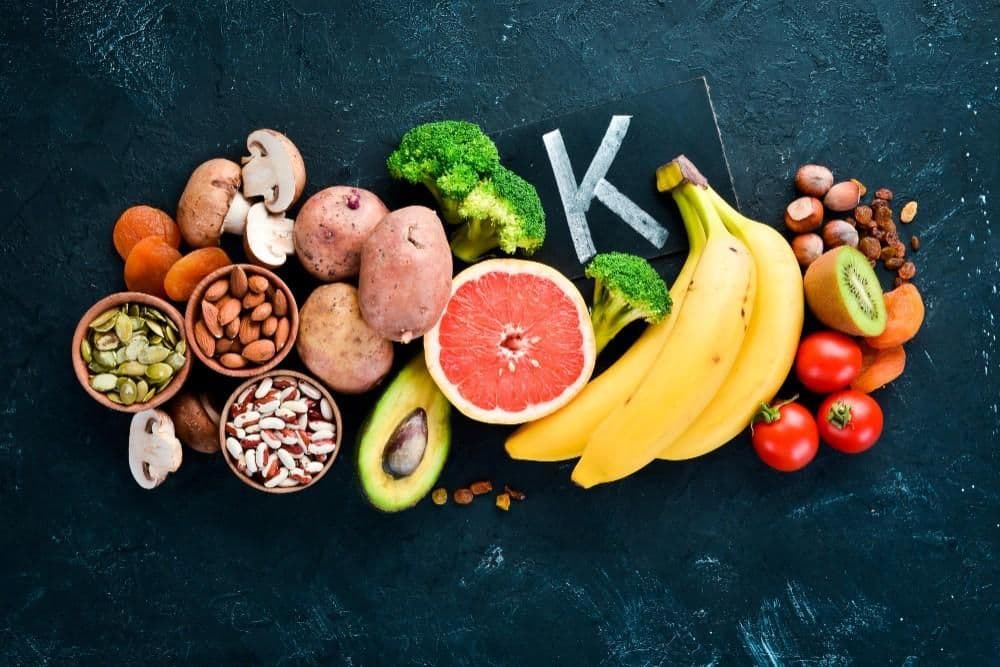
- Potassium helps your nerves send signals, and your heart beat steadily. It also supports healthy muscle contractions.
- Dietary fibre keeps digestion smooth and helps you feel full for longer after eating.
- Vitamin B6 supports brain function and helps your body make energy from food.
- Vitamin C strengthens your immune system and acts as an antioxidant.
- Antioxidants and flavonoids found in bananas may offer cardiovascular protective benefits.
What Are the Health Benefits of Eating Bananas?
Bananas are one of the most popular fruits in the world. They are affordable, easy to carry, and rich in nutrients that support everyday health. Whether you grab one as a quick snack or after exercising, bananas provide several benefits.
Provides Quick Energy
Athletes often eat bananas during long activities. The natural sugars and carbs in bananas make them a great choice before a workout.
Supports Heart Health and Blood Pressure
Potassium is essential for maintaining steady blood pressure. Consuming enough potassium from foods such as bananas may help support heart health. The antioxidants in bananas may also help protect blood vessels over time.
Helps With Digestion and Weight Management
Three grams of fibre per banana may sound modest. But fibre helps regulate your gut and curbs hunger between meals. Research from a large cohort study has found that banana calories are not associated with weight gain. In fact, bananas may be associated with less weight gain over time. They are low in fat and satisfying enough to replace fried snacks.
Post-Exercise Recovery
After a workout, your body needs potassium and carbohydrates to recover and restore energy. Eating a ripe banana with a glass of fresh curd is a simple, healthy, and effective snack.
How Can You Add More Bananas to Your Diet?
There are plenty of easy, tasty ways to enjoy bananas every day. Here are a few ideas:
- Slice one into your morning oatmeal or poha for natural sweetness.
- Blend it into a curd-based smoothie with a pinch of cardamom.
- Eat one banana as a pre-workout snack about 30 minutes before exercise.
- Pair it with a spoonful of peanut butter for a filling evening bite.
- Mash it into pancake batter for a healthier weekend breakfast.
One to two bananas a day is generally suitable for most healthy adults as part of a balanced diet. However, if you have specific health conditions, such as kidney concerns, consult your doctor before increasing your intake.
Making the Most of Every Banana
A medium banana gives you about 105 calories, 422 mg of potassium, and 3 g of fibre, with zero fat. Whether you eat it before a workout or as a mid-afternoon snack, it is one of the simplest ways to fuel your body well. Knowing how many calories are in a banana helps you plan meals with confidence.
Curious about how your overall nutrition is shaping your health? Book a health check-up with Lupin Diagnostics at an NABL-accredited lab near you to gain a clear and detailed understanding of your overall health.
Frequently Asked Questions
How many calories are in one medium banana?
A medium-sized ripe banana has about 105 calories. Most of these calories come from natural carbohydrates and sugars. This makes bananas a quick and easy source of energy for the body.
Are bananas good for weight loss?
Research shows that bananas do not cause weight gain when eaten in normal amounts. In fact, their high fibre content promotes a feeling of fullness, which can help reduce overeating and snacking.
How much protein is in a banana?
A single medium banana provides roughly 1 gram of protein. Pairing it with curd or peanut butter can greatly boost your snack's protein content and nutritional value.
What nutrients are found in bananas?
Bananas are rich in essential nutrients. They contain potassium for heart and muscle health; dietary fibre for digestion; vitamin B6 and vitamin C; and antioxidants like flavonoids that help protect the body from damage.
Is it healthy to eat a banana every day?
For most healthy adults, consuming one to two bananas per day can easily fit into a well-balanced, nutritious diet, and there is no strong evidence that daily intake is harmful. However, individuals with certain health conditions, such as kidney disorders or diabetes, should monitor their intake and consult a healthcare professional.
Do ripe bananas have more calories than green bananas?
The total calorie count remains roughly the same. Ripening turns starch into sugar but does not significantly change the overall energy content.
Are bananas good before a workout?
Absolutely. Bananas deliver quick-release carbohydrates and potassium, making them a popular choice among athletes for pre-exercise fuel.
How many carbohydrates are in one banana?
One medium banana has about 27 g of carbohydrates, including 14 g of natural sugars and 3 g of fibre.
This article is for informational purposes only and does not replace professional medical advice, diagnosis, or treatment. Please consult a qualified healthcare provider for any health concerns or before making significant changes to your diet.
Featured Articles
Understanding Early Signs Of Diabetes Mellitus Why Fasting Blood Glucose And Hba1C Tests Matter
Posted on: 22nd Jan 2026

Why Doctors Recommend the CRP Test- How It Helps Measure Inflammation in the Body
Posted on: 15th Jan 2026

Consequences Of Sedentary Lifestyle On Human Body
Posted on: 16th Jan 2023
Recent Articles

High-Protein Diet Chart for Weight Loss: Benefits, Risks, and Meal Plan
Posted on: 19th May 2026
Bilirubin Test Normal Range Explained: What Your Numbers Really Mean
Posted on: 19th May 2026

Hypertension (High Blood Pressure): Causes, Symptoms, Treatment, and Prevention
Posted on: 19th May 2026